 Texas Injury Lawyers Blog







 Recently, an appellate court issued an opinion in an accident lawsuit involving a Texas resident. The victim’s joined his church group on an out-of-state wilderness expedition trip. The church hired a company to arrange the group’s activities. The company required the participants to complete a “registration form” and “medical form.” On the first day of the trip, the victim participated in a rappelling course. However, during the course, he became inverted, fell, and died. The victim’s wife filed a lawsuit against the rappelling company.
In response to the lawsuit, the company moved for summary judgment arguing, amongst several issues, that Texas law did not apply to the case. Cases involving Texas residents suffering injuries in another state can pose many challenges to plaintiffs. The law provides that in diversity actions, the court should apply the conflict-of-laws rules of the forum state. This also applies in contract language dispute matters.
In this case, Texas laws require liability releases to be “adequately conspicuous,” which is a stricter standard than Colorado law. As such, the plaintiff contended that because her husband signed the release in Texas, Texas law should apply. However, the magistrate judge concluded that Colorado law controlled the matter. On appeal, the appellate court explained that Colorado law applies because diversity actions require courts to apply the conflict-of-laws rules of the forum state.
 San Antonio, Texas: It’s back to school and back on the roads in Texas, make sure your children are safely buckled up or strapped in for trips in the car.
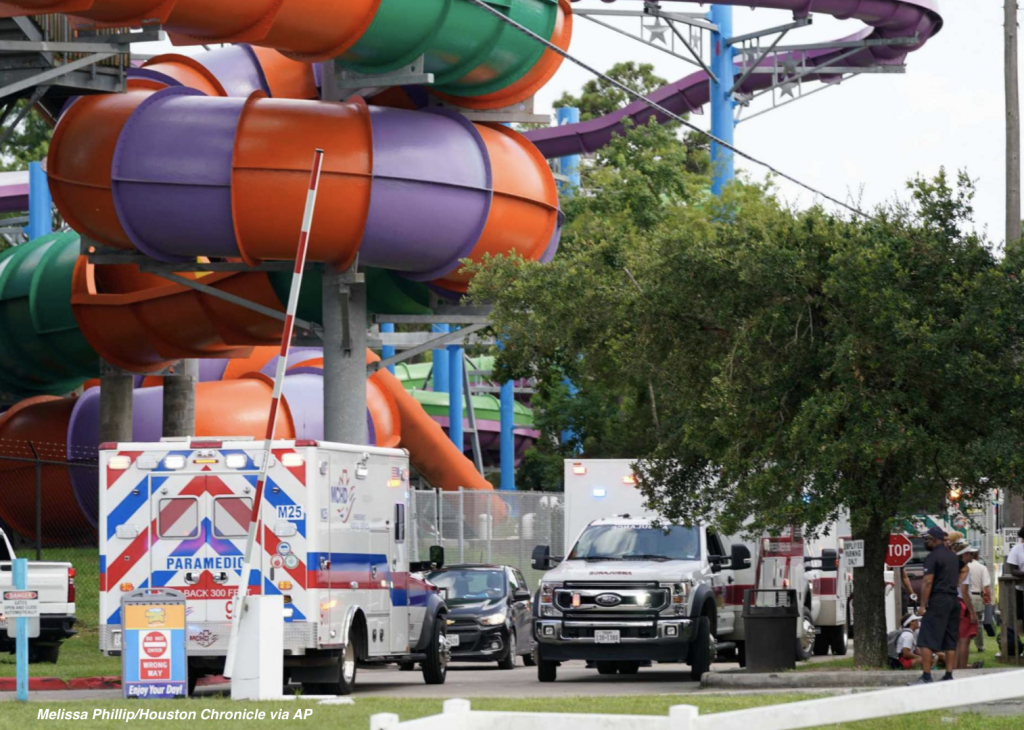 Texas’ year-round warm climate combined with vast open spaces make the state home to an array of theme parks, amusement parks, and outdoor recreational parks. While these locations are a great place for couples and families to spend a day together, they also pose many risks to park-goers and employees. While serious injuries at a Texas amusement park are uncommon, they occur and can result in lifelong consequences.
 The Supreme Court of Texas recently issued an
  CANCER CAUSING BENZENE FOUND IN SUNSCREENS LINKED TO HIGHER RISK–KILLER TAN CAN BE DEADLY – 40 SUNSCREEN BRANDS RECALLED
 The Supreme Court of Texas recently delivered an
 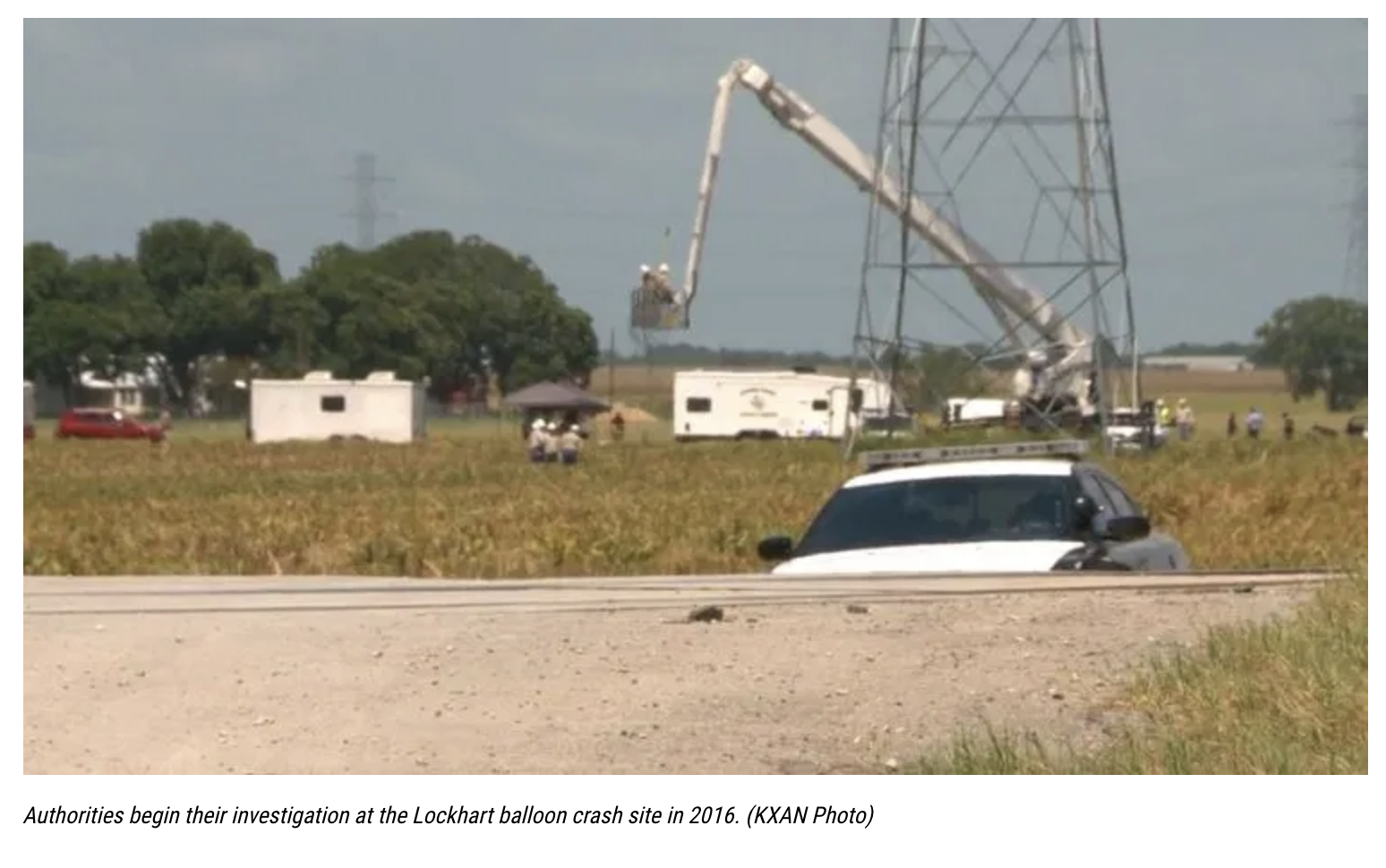 Hot air balloon rides and other similar in-air recreation activities are a unique and thrilling experience for many participants. While these excursions provide the public with a special vantage point, there are inherent risks in participating in these activities. Texas hot air balloon accidents can pose many challenges to victims and their loved ones. The public is urging lawmakers to push for more protections for balloon riders. This push stems from the Federal Aviation Administration’s failure to implement regulatory changes following a devastating 2016 hot air balloon accident.
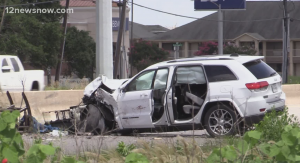 While some car accidents seem straightforward, upon investigation, most cases contain various factors that may impact liability and financial recovery. Most Texas motor vehicle accidents involve negligence or recklessness. However, while specific actions may seem “negligent,” Texas law has a precise definition of what amounts to legal negligence. Even if an injury victim can establish the other party’s negligence, they might still need to refute any claims of contributory negligence.
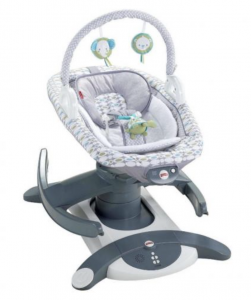 Various state and federal agencies regulate the safety of infant and baby products. While these agencies possess the power to administer and enforce federal safety laws, many dangerous products continue to make their way into the consumer stream. Every year infants and children in Texas experience exposure to dangerous and potentially life-threatening products. When this occurs, family members should consider filing a Texas product liability claim against the defective product’s manufacturer or retailer.