 When a consumer purchases a new product, they rightfully trust that the designer, manufacturer, and retailer took measures to ensure the product’s safety and efficacy. However, despite testing standards and federal oversight, some dangerous products make their way into the consumer stream. Products with a design or manufacturing defect or that are inherently dangerous may cause serious injuries and lead to a Texas product liability lawsuit. The United States Consumer Product Safety Commission (USCPSC) requires manufacturers, distributors, and similar entities to report any issues with their products and issue recalls if necessary. However, these parties may still face liability even if they issued a recall.
Texas product liability laws cover claims stemming from design defects, manufacturing defects, and warning defects. The law allows injury victims to recover damages against manufacturers or sellers of a defective product that causes personal injury, death, or property damage. Texas design defect claims are generally the most onerous product liability claim. In these cases, plaintiffs must establish that the victim suffered injuries because the product’s design was inherently dangerous. The law requires plaintiffs to present evidence of a safer and economically feasible alternative design. Manufacturing defects are relevant when the product’s design is appropriate, but something went awry during the manufacturing process that made a specific item dangerous. This type of claim may be appropriate when a manufacturer fails to meet safety or design standards. However, the claims do not apply to those who suffer injuries from a defective product manufactured before updated safety standards. Finally, failure to warn claims are applicable when a manufacturer did not provide appropriate instructions or warnings.
The New York Times recently reported that The Home Depot recalled a popular indoor/outdoor fan, after reports that the fans’ blades were detaching while spinning. The Home Depot issued a voluntary recall after nearly 50 consumer reports of detaching blades. The USCPSC, reported that The Home Depot voluntarily recalled the fans and ceased sales when they discovered the issue. They maintain that the fans are not inherently dangerous, and the hazard resulted from a manufacturing defect.
 Texas Injury Lawyers Blog


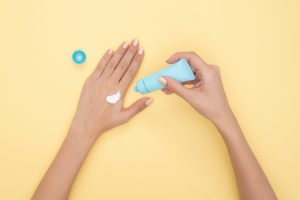 CANCER CAUSING BENZENE FOUND IN SUNSCREENS LINKED TO HIGHER RISK–KILLER TAN CAN BE DEADLY – 40 SUNSCREEN BRANDS RECALLED
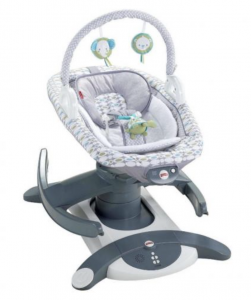 Various state and federal agencies regulate the safety of infant and baby products. While these agencies possess the power to administer and enforce federal safety laws, many dangerous products continue to make their way into the consumer stream. Every year infants and children in Texas experience exposure to dangerous and potentially life-threatening products. When this occurs, family members should consider filing a Texas product liability claim against the defective product’s manufacturer or retailer.
 The Supreme Court of Texas issued a
  In light of COVID-19, everyone seems to be shopping online more frequently. Whether you’re shopping online to adhere to social distancing concerns or simply out of boredom, Amazon has become an important part of regular online shopping trips in many households. When a product purchased from the online retailer, however, injures someone in your family, is Amazon liable in a Texas products liability lawsuit? Or is the entity or individual who sold you the product responsible?
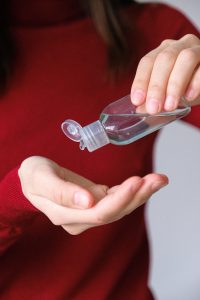 Following the initial COVID-19 outbreak in the United States earlier this year, thousands of Americans flooded stores in search of hand sanitizer and other cleaning supplies. Many stores were completely wiped out from the start of the pandemic of such supplies and have taken several months to restock these products because of demand. In preparation for the uncertainty associated with the pandemic, many Texans purchased large quantities of these products. However, recent FDA recalls indicate that some of these sanitizing products may be causing members of our community to become ill. These recalls may be the basis for a Texas product liability claim.