 Texas Injury Lawyers Blog


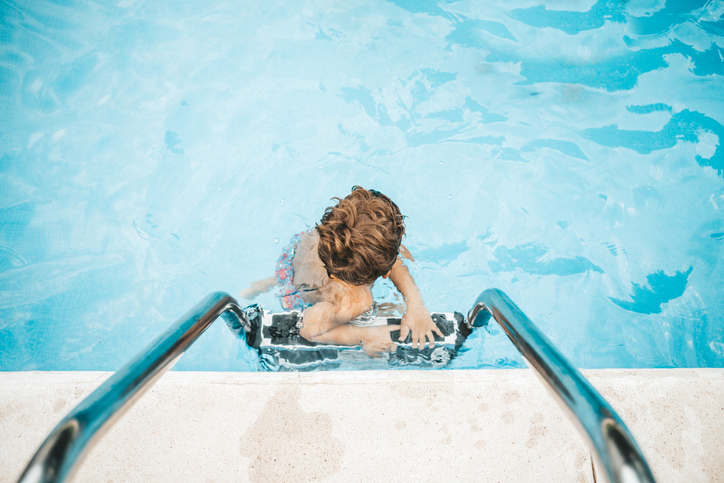
Children are especially vulnerable to swimming pool accidents.
Swimming Pool Accidents in Texas: Who Is Responsible for Injuries?
Swimming pools are one of the most popular ways to cool off during a Texas summer. Whether at a private home, apartment complex, hotel, or community center, pools provide a place for families to relax and have fun.
Unfortunately, they can also be the site of serious accidents. Children are especially vulnerable. According to drowning prevention data, hundreds of children lose their lives in pool-related drowning incidents each year across the United States.
When a serious pool accident happens, one of the first questions families ask is whether someone could have prevented it. If you or a loved one is injured in a swimming pool accident, understanding who may be responsible can be an important step toward protecting your rights and recovering compensation.
Common Swimming Pool Hazards
Pool accidents can happen for many reasons. While some incidents are unavoidable, others occur because a property owner failed to maintain a safe environment.
Drowning Accidents
Drowning is one of the most serious risks associated with swimming pools. Young children face the greatest danger because accidents can happen quickly and often without much noise or warning.
These incidents can occur in both private and public settings, including backyard pools, apartment complexes, hotels, and community recreation areas.
Slip-and-Fall Injuries
Swimming pools naturally create wet surfaces, but property owners still have a responsibility to reduce unnecessary hazards.
Cracked walkways, slippery surfaces, poor drainage, and a lack of warning signs can increase the risk of falls. These accidents can result in broken bones, head injuries, and other serious harm.
Missing Fences and Security Measures
Many pool accidents involve children who gain access to an area they should not have been able to enter.
Missing gates, broken locks, or inadequate fencing can make it easier for children to access a pool without supervision. Because of this risk, Texas law requires certain safety measures around many swimming pools.
Lack of Proper Supervision
Pool accidents often happen in a matter of seconds. At facilities that provide lifeguards or advertise monitored swimming areas, inadequate staffing, inattentive supervision, or failure to enforce safety rules can increase the likelihood of injury.
When safety measures are promised but not properly maintained, preventable accidents can occur.
Who May Be Liable for a Pool Accident?
Liability often depends on where the accident occurred and whether someone failed to maintain a safe environment.
Under the Texas Health and Safety Code, owners, managers, and operators of swimming facilities are expected to comply with applicable safety standards. When those standards are ignored, the property owner may be held responsible for resulting injuries.
Depending on the circumstances, responsibility may fall on:
- A homeowner
- A homeowners association (HOA)
- An apartment complex owner or manager
- A hotel or resort operator
- Another property owner responsible for maintaining the pool area
Property owners are generally expected to keep the area reasonably safe for guests and visitors. This may include repairing hazards, maintaining safety equipment, providing adequate warnings, and ensuring that fencing and security measures are in place when required.
When children are involved, the analysis can become even more important.
Texas law recognizes that children do not appreciate dangerous conditions the same way adults do. Because of this, property owners are often expected to take additional precautions to prevent children from gaining access to potentially dangerous areas such as swimming pools.
How Liability Is Determined
Not every pool accident automatically results in liability. In many cases, the injured person must show that the property owner knew—or should have known—about a dangerous condition and failed to address it.
Important evidence often includes:
- Photographs of the pool area
- Maintenance and inspection records
- Surveillance footage
- Witness statements
- Incident reports
- Medical records documenting the injury
Pool conditions can change quickly after an accident. Hazards may be repaired, warning signs added, or conditions altered. That is why photographs, witness statements, and incident reports are often valuable in preserving what the area looked like at the time of the injury.
What to Do After a Pool Accident
Determining who is responsible for a swimming pool injury is rarely as simple as pointing to the property owner. The specific facts of the accident, the condition of the property, and the actions of everyone involved can all affect liability.
If you or a loved one is injured in a swimming pool accident, taking the right steps can help protect both your health and your legal rights.
- Seek medical attention immediately
- Report the incident to the property owner or manager
- Take photos of the area and any hazards
- Collect contact information from witnesses
- Keep records of medical treatment and expenses
- Speak with a personal injury attorney about your options
Acting quickly can help preserve important evidence that may not be available later.
Injured in a Swimming Pool Accident? Call Shaw.
Swimming pools should be a place for recreation—not serious injuries. If you or a loved one was injured in a swimming pool accident due to someone else’s negligence anywhere in Texas, you may be entitled to compensation for things like:
- Ambulance and emergency care
- ER visits and hospital stays
- Surgeries and medical treatment
- Medical bills
- Pain and suffering
- Property damage
- Lost wages or missed work
- Wrongful death
- And more
We can help you find out for free.
Call Shaw at 800-862-1260 today or use our live chat to schedule your free case evaluation with one of our personal injury attorneys. No fees, no obligations, just experienced legal guidance from a firm that puts clients first.
We look forward to serving you.