 Texas Injury Lawyers Blog


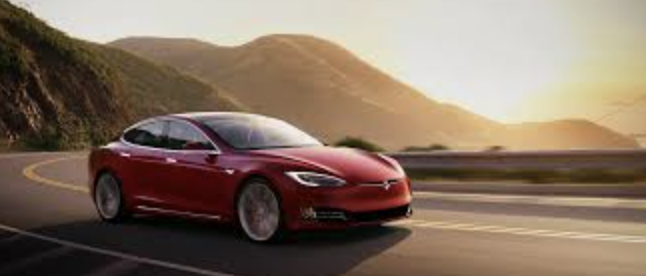 Self-driving, or autonomous cars, are revolutionizing the way the public looks at travel and car ownership. These vehicles turn active drivers into passive passengers, allowing motorists to rely on the car’s advanced computerized system to navigate the roads and avoid collisions. However, these cars may result in a serious Texas car accident, as the new technology is still being refined.
Autonomous vehicles rely on complex computer systems, sensors, actuators, and various algorithms to operate on the roads without an active driver. In theory, these cars provide a glimpse into a more environmentally friendly and safer future for road users. However, as it is, these features often present more dangers than benefits.
For example, recently, a national news report described a fatal Tesla crash involving a driverless vehicle. According to reports, the vehicle did not have a driver and was operating on high or full automation mode. As such, one of the occupants was in the front passenger seat, and the other occupants were in the back seat. The car was speeding along a dangerous curve when it slammed into a tree. Emergency responders used over 30,000 gallons of water to put out the massive fire that the collision sparked. Tesla did not respond to this incident but previously stated that their vehicles are intended to be used with an attentive driver who has their hands on the steering wheel. However, safety officials argue that the company does not do enough to deter drivers from depending too much on the vehicle’s features.
 Texas has specific procedural requirements that parties must adhere to when they proceed with a lawsuit. If these procedures are not followed and prescribed deadlines are ignored, it could result in your case being dismissed or leave you unable to get the compensation you deserve. Thus, hiring an experienced attorney is crucial when you decide to proceed with a lawsuit—especially someone who understands the ins and outs of Texas laws and procedures.
 There are plenty of roads in Texas that do not have a physical median separating the lanes as vehicles move in opposite directions. This road design, coupled with distracted or reckless driving, often becomes the perfect storm for dangerous car accidents. Head-on accidents, for example, most frequently occur on this type of roadway when the at-fault party veers across the center dividing line and crashes into a car coming in the opposite direction.