 Texas Injury Lawyers Blog


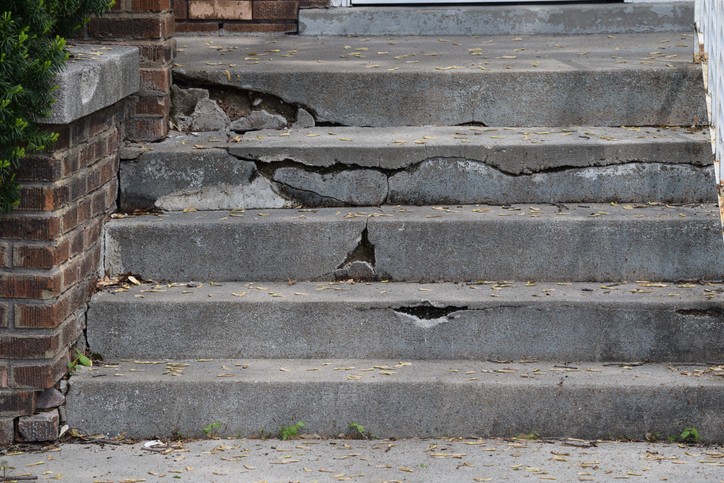
Dry winters can cause deep cracks in pavement and outdoor staircases.
Winter Apartment Hazards: Who’s Responsible for Heater, Stairway, and Maintenance Injuries?
Your apartment should be a safe place to relax—especially during the winter. When you rent a home, you trust your landlord to keep the property in good condition. While winters in Texas are usually mild, cold snaps, rain, and poor lighting can still create dangerous conditions.
If you or a loved one is hurt because a known problem was ignored, you may wonder who is responsible. This article explains a landlord’s duties during winter, when a landlord may be held liable, and what tenants should do after an injury.
Landlord Duties in Texas During Winter
Landlords are not required to make apartments fancy, but they are required to keep them safe. Under Texas law, landlords must repair conditions that could affect a tenant’s health or safety.
During winter, this duty often focuses on a few common problem areas.
Broken or Unsafe Heaters
Even in Texas, cold weather can be dangerous. Broken or poorly working heaters can put tenants at risk—especially children, older adults, and people with medical conditions. Landlords are expected to fix heating problems within a reasonable time after receiving notice.
Unsafe Stairways
Winter weather can make stairways more dangerous. Wet steps, loose handrails, cracked stairs, or poor traction can lead to serious falls. Stairways should be kept in a safe condition for tenants and guests.
Poor Lighting and General Maintenance
Shorter daylight hours mean people rely more on lighting in stairwells, walkways, and parking areas. Burned-out or broken lights can make it hard to see hazards and increase the risk of injury. General upkeep, like clearing debris and fixing known problems, is also part of a landlord’s responsibility.
Most of these hazards are preventable when landlords respond to repair requests instead of ignoring them.
When Is a Landlord Liable for a Winter Injury?
A landlord may be held responsible for a tenant’s injury if:
-
The landlord knew—or should have known—about the hazard
-
The condition posed an unreasonable risk to tenants or guests
-
The landlord failed to fix the problem within a reasonable time
-
The unsafe condition directly caused the injury
Weather may play a role in some accidents, but landlords can still be liable if neglect or serious carelessness contributed to the injury.
What Tenants Should Do After an Injury
An injury can be stressful, but taking the right steps can help protect your health and your rights.
-
Report the issue in writing to the landlord or property manager
-
Take photos or videos of the unsafe condition
-
Seek medical care and keep all records
-
Avoid giving recorded statements, especially to insurance companies
-
Talk to a personal injury attorney to understand your options
Keeping good records can make a big difference if you decide to pursue a claim.
Injured Tenant? Call Shaw.
Landlords should fix safety issues before someone gets hurt—not after. If you or a loved one was injured in an apartment due to someone else’s negligence anywhere in Texas, you may be entitled to compensation for:
-
Ambulance and emergency care
-
ER visits and hospital stays
-
Surgeries and medical treatment
-
Pain and suffering
-
Property damage
-
Lost wages or missed work
-
Wrongful death
-
And more
At Carabin Shaw, we understand how upsetting an injury at home can be—especially during the winter. Our team is here to help you understand your legal options at no cost.
📞 Call Shaw at 800-862-1260 or use our live chat to schedule your free case evaluation. No fees. No obligations. Just clear answers and experienced legal guidance.
We look forward to serving you.