 Texas Injury Lawyers Blog


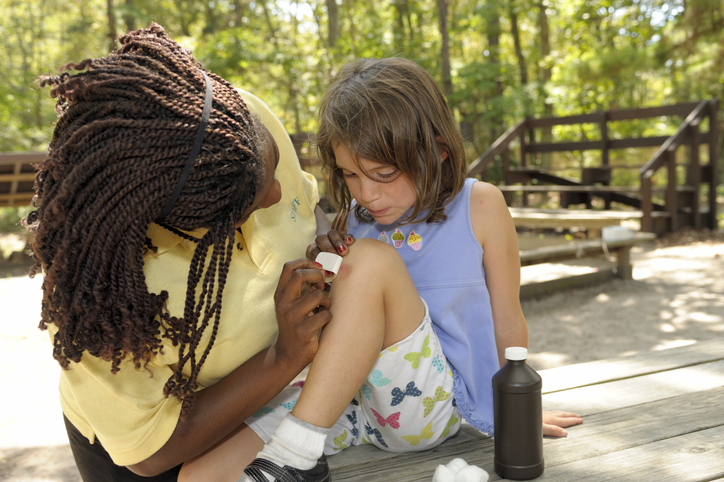
Summer camp injuries can have lifelong impacts.
Summer Camp Injuries in Texas: When Can Parents Hold a Camp Responsible?
Summer camp gives children a chance to learn new skills, make friends, and enjoy activities outside the classroom. For many families, it is one of the highlights of summer.
Parents trust camps to provide a safe environment while their children participate in sports, swimming, outdoor adventures, and educational programs. While minor bumps and bruises are often part of childhood activities, serious injuries can and do happen.
When they do, parents are often left wondering whether the camp can be held responsible. The answer depends on how the injury occurred and whether the camp failed to take reasonable steps to keep children safe.
Common Summer Camp Injuries
Summer camps often involve physical activities, outdoor recreation, and group events. While some risks are unavoidable, certain injuries occur more frequently than others.
Common summer camp injuries include:
- Drowning and near-drowning incidents
- Slip-and-fall accidents
- Broken bones and fractures
- Head injuries and concussions
- Heat exhaustion or heatstroke
- Serious insect bites or allergic reactions
- Sports and recreational injuries
Not every injury means a camp was negligent. However, camps have a duty to provide reasonable supervision and take appropriate safety precautions to reduce preventable risks.
Do Liability Waivers Prevent Lawsuits?
Many camps require parents to sign liability waivers before a child can participate. These forms are designed to inform families about the risks associated with camp activities and may limit a camp’s liability in certain situations.
However, signing a waiver does not automatically prevent a lawsuit.
In Texas, liability waivers generally do not protect a camp from claims involving gross negligence, reckless conduct, or certain failures to follow safety requirements. A waiver may also be limited to the specific risks described in the agreement.
When a Summer Camp May Be Held Liable
A camp may be responsible for an injury when it fails to provide reasonable care under the circumstances.
Negligent Supervision
Children require supervision, especially during activities such as swimming, field trips, and organized sports. If staff members fail to monitor children appropriately or ignore established safety procedures, the camp may be liable for resulting injuries.
Unsafe Activities
Many camps offer activities that involve some level of risk. While participants may accept ordinary risks, camps still have a responsibility to take reasonable precautions.
Using defective equipment, failing to train instructors properly, or ignoring safety protocols may create unnecessary dangers that expose children to serious harm.
Poorly Maintained Facilities
Camp operators are responsible for maintaining reasonably safe premises. Hazards such as damaged playground equipment, unsafe walkways, broken fencing, or other dangerous conditions can increase the risk of injury.
If camp administrators knew—or should have known—about a hazard and failed to address it, they may be held responsible.
Transportation Accidents
Many camps provide transportation for field trips and activities. If a crash occurs because of driver negligence, inadequate training, poor vehicle maintenance, or safety violations, liability may extend to the camp, a transportation provider, or another third party involved in the accident.
Signs a Camp May Have Acted Negligently
Not every camp injury is the result of negligence. Children can get hurt even when reasonable safety precautions are in place. However, certain warning signs may suggest a camp failed to meet its responsibility to keep campers safe.
Parents may want to take a closer look if:
- Their child was injured while staff members were absent or not paying attention.
- The camp failed to follow its own safety rules or procedures.
- The camp ignored previous complaints about a dangerous condition.
- Staff members lacked proper training or certifications for the activity involved.
- The camp delayed notifying parents about a serious injury.
- The explanation of how the injury occurred seems incomplete or inconsistent.
A serious injury by itself does not automatically mean the camp was negligent. However, if there are questions about supervision, safety procedures, staff training, or maintenance issues, it may be worth investigating further.
In many cases, parents do not learn the full circumstances surrounding an accident until after they begin asking questions and reviewing incident reports.
What Parents Should Do After a Camp Injury
If your child is seriously injured at summer camp, taking the right steps can help protect both their health and your legal rights.
- Seek medical attention immediately
- Request a copy of any incident report
- Take photographs of injuries when appropriate
- Keep medical records and related expenses
- Ask questions about how the incident occurred
- Speak with a personal injury attorney if you suspect negligence
Documentation is critical if questions later arise about supervision, safety procedures, or responsibility for the injury.
Was Your Child Injured at Summer Camp? Call Shaw.
Summer camp should create positive memories—not lasting injuries. If your child was injured at a summer camp due to someone else’s negligence anywhere in Texas, you may be entitled to compensation for:
- Ambulance Costs
- ER Treatment
- Surgeries
- Medical Bills
- Pain and Suffering
- Property Damage
- Missed Work
- Wrongful Death
- And More
We can help you find out for free.
Call Shaw at 800-862-1260 today or use the live chat to schedule your free case evaluation with one of our personal injury attorneys. No fees, no obligations, just experienced legal guidance. We put our clients first because we care.
We look forward to serving you.