 Texas Injury Lawyers Blog


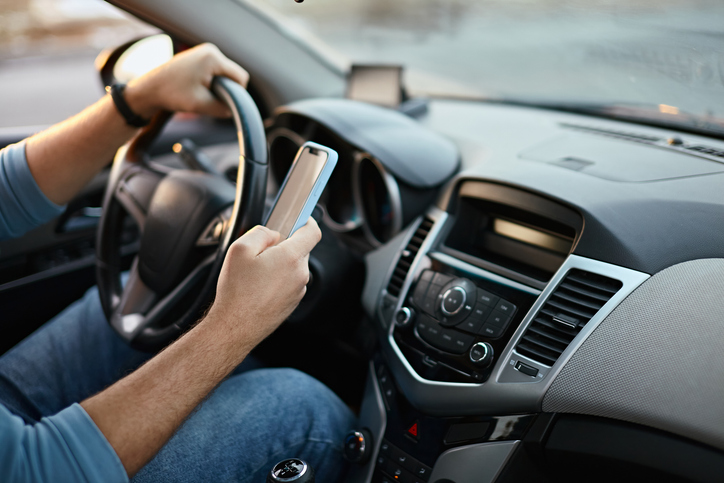
Texting is one of the most common forms of distracted driving.
Texting and Driving Accidents in Texas: How to Prove Distracted Driving in an Injury Claim
Driving requires your full attention. While drunk driving is widely recognized as dangerous, distracted driving isn’t treated with the same seriousness, even though it’s just as dangerous. According to the National Highway Traffic Safety Administration, thousands of people lose their lives each year in crashes involving distracted drivers.
Cellphones are one of the leading causes. Drivers glance at texts, check notifications, or rely too heavily on apps—and those few seconds are enough to cause a serious crash.
But it’s important to understand this clearly: texting while driving alone is not enough to file a claim. For a case to move forward, the distraction must have directly caused an accident that resulted in injuries or damage.
What Counts as Distracted Driving in Texas?
Distracted driving goes far beyond texting. Any behavior that takes a driver’s attention off the road can create risk—and legal liability if it leads to a crash.
This includes things like checking navigation, changing music, eating, or interacting with rideshare or delivery apps. These actions feel routine, but they reduce reaction time and awareness in critical moments.
Legally, distractions fall into three categories:
- Visual – taking your eyes off the road
- Manual – taking your hands off the wheel
- Cognitive – taking your focus off driving
A driver does not need to violate a specific law to be considered negligent. If their attention was compromised and that contributed to a crash, that is enough to establish fault.
How Distracted Driving Is Proven in an Injury Claim
Proving distracted driving requires evidence that connects the behavior directly to the crash. This is where many cases are won or lost.
One of the strongest forms of evidence is cellphone data. Phone records can show whether a driver was texting, calling, or using apps at the exact time of the collision. That timeline matters.
Other evidence strengthens the case, including:
- Witness statements describing what the driver was doing before the crash
- Police reports noting signs of distraction or admissions at the scene
- Traffic camera or dashcam footage showing driver behavior
- Accident reconstruction analysis tying distraction to the cause of impact
Distracted driving is not always obvious at first glance. That’s why early investigation is critical—because key evidence can disappear quickly.
Why Distracted Driving Is Considered Negligence
Under Texas law, every driver has a duty to operate their vehicle with reasonable care. That includes staying alert and focused at all times.
When a driver chooses to divide their attention—whether by texting, scrolling, or multitasking—they breach that duty. If that decision leads to a crash, it establishes the foundation for a personal injury claim.
Texas follows a modified comparative fault rule, which means:
- You can recover compensation as long as you are 50% or less at fault
- Your compensation is reduced based on your share of responsibility
So even if multiple factors contributed to a crash, a distracted driver can still be held accountable for their role.
Injured by a Distracted Driver? Call Shaw.
A crash caused by distracted driving is preventable and when it happens, the consequences can affect every part of your life. If you were injured because another driver wasn’t paying attention, you may be entitled to compensation for things like:
- Ambulance and emergency care
- ER visits and hospital stays
- Surgeries and ongoing medical treatment
- Pain and suffering
- Property damage
- Lost wages or missed work
- Wrongful death damages
- And more
We’ll help you find out for free.
Call Shaw today at 800-862-1260 to speak with an experienced car accident lawyer in Texas. There are no fees, no obligations, and no pressure—just clear, straightforward guidance when you need it most.
We look forward to serving you.