 Texas Injury Lawyers Blog


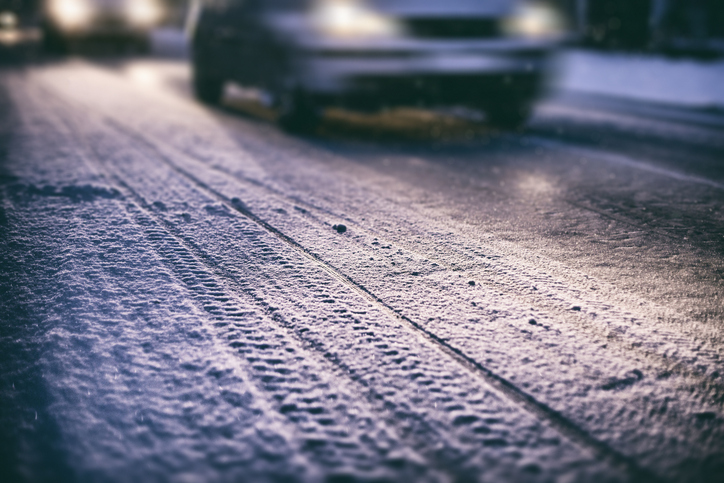
Sudden cold snaps can cause unexpected, dangerous driving conditions.
Ice and Multi-Vehicle Accidents in Texas: Understanding Fault
February may bring Valentine’s Day plans, but winter weather in Texas is not always finished. Sudden cold fronts can still cause freezing rain, icy roads, and dangerous driving conditions.
While snow is rare in many parts of Texas, ice can form quickly—especially overnight. Black ice is particularly dangerous because drivers often do not see it until they lose control.
Understanding how ice-related crashes happen—and how fault is determined—can help protect your rights if an accident occurs.
The Danger of Black Ice
Black ice forms when moisture freezes on the road, creating a thin, nearly invisible layer of ice. It often develops on bridges, overpasses, and shaded areas because these surfaces cool faster than regular pavement.
Drivers may be traveling at normal speeds when their tires suddenly lose traction. Once control is lost, it can be difficult to avoid a collision.
Even though ice is a natural condition, drivers are still required to adjust their driving. Slowing down, increasing following distance, and avoiding sudden braking are essential during freezing weather. Failing to adapt to road conditions can still be considered negligence.
Chain-Reaction Crashes in Icy Conditions
Ice often leads to multi-vehicle crashes. When one driver loses control, it can trigger a chain reaction. Vehicles may slide into one another before anyone has time to react.
Unlike a simple two-car crash, liability in a multi-vehicle accident can be complex. Investigators typically examine:
-
Who lost control first
-
Whether drivers were following too closely
-
Whether speeds were reasonable for the conditions
-
Whether brake lights or hazard signals were used
-
Road design and visibility factors
Even in icy weather, drivers must maintain a safe following distance. Rear-end collisions are common when traction is reduced.
Texas follows a modified comparative fault rule. An injured driver may recover damages as long as they are not more than 50% at fault. However, compensation may be reduced based on each party’s share of responsibility.
When Weather Plays a Role, Who Is at Fault?
Bad weather does not excuse careless driving. In fact, drivers are expected to use greater caution during hazardous conditions.
A driver may still be liable if they:
-
Failed to slow down on icy roads
-
Followed too closely
-
Drove too fast for the conditions
-
Did not adjust to reduced visibility
Commercial drivers and trucking companies may face even higher expectations. Professional drivers are often required to take additional safety steps, including adjusting routes or delaying travel when conditions are unsafe.
In some cases, a city or state agency could be involved if it failed to address a known roadway hazard. However, claims against government entities are limited and can be challenging.
Proving Fault in Ice-Related Accidents
Insurance companies may argue that ice made the crash unavoidable. That is why evidence is critical.
Strong claims often rely on:
-
Police crash reports
-
Witness statements
-
Photos of road conditions
-
Vehicle damage analysis
-
Dashcam or traffic camera footage
-
Event data recorder information
-
Accident reconstruction experts
Clear evidence helps show whether a driver failed to act reasonably for the weather conditions.
Injured in a Winter Car Accident? Call Shaw.
Ice-related crashes can quickly become complicated, especially when multiple drivers are involved. If you or a loved one was injured in a winter accident due to another driver’s negligence anywhere in Texas, you may be entitled to compensation for:
-
Ambulance and emergency care
-
ER visits and hospital stays
-
Surgeries and medical treatment
-
Pain and suffering
-
Property damage
-
Lost wages or missed work
-
Wrongful death
-
And more
At Carabin Shaw, we understand how challenging weather-related cases can be. Our team is here to help you understand your options at no cost.
📞 Call Shaw at 800-862-1260 or use our live chat to schedule your free case evaluation. No fees. No obligations. Just experienced legal guidance from a firm that puts clients first.
We look forward to serving you.